Is Replacing Your Roof in Winter a Good Idea?
Westborough, United States - February 10, 2025 / Golden Group Roofing /
When it’s time for a roof replacement, timing is one of the biggest factors homeowners need to consider. A roof is one of the most critical parts of any home—it protects you from the elements, helps regulate energy efficiency, and keeps your structure safe. Most people schedule roof replacements during spring or summer when the weather is warm and predictable. But what if your roof can’t wait until then? Is replacing your roof in the winter possible—or even practical?
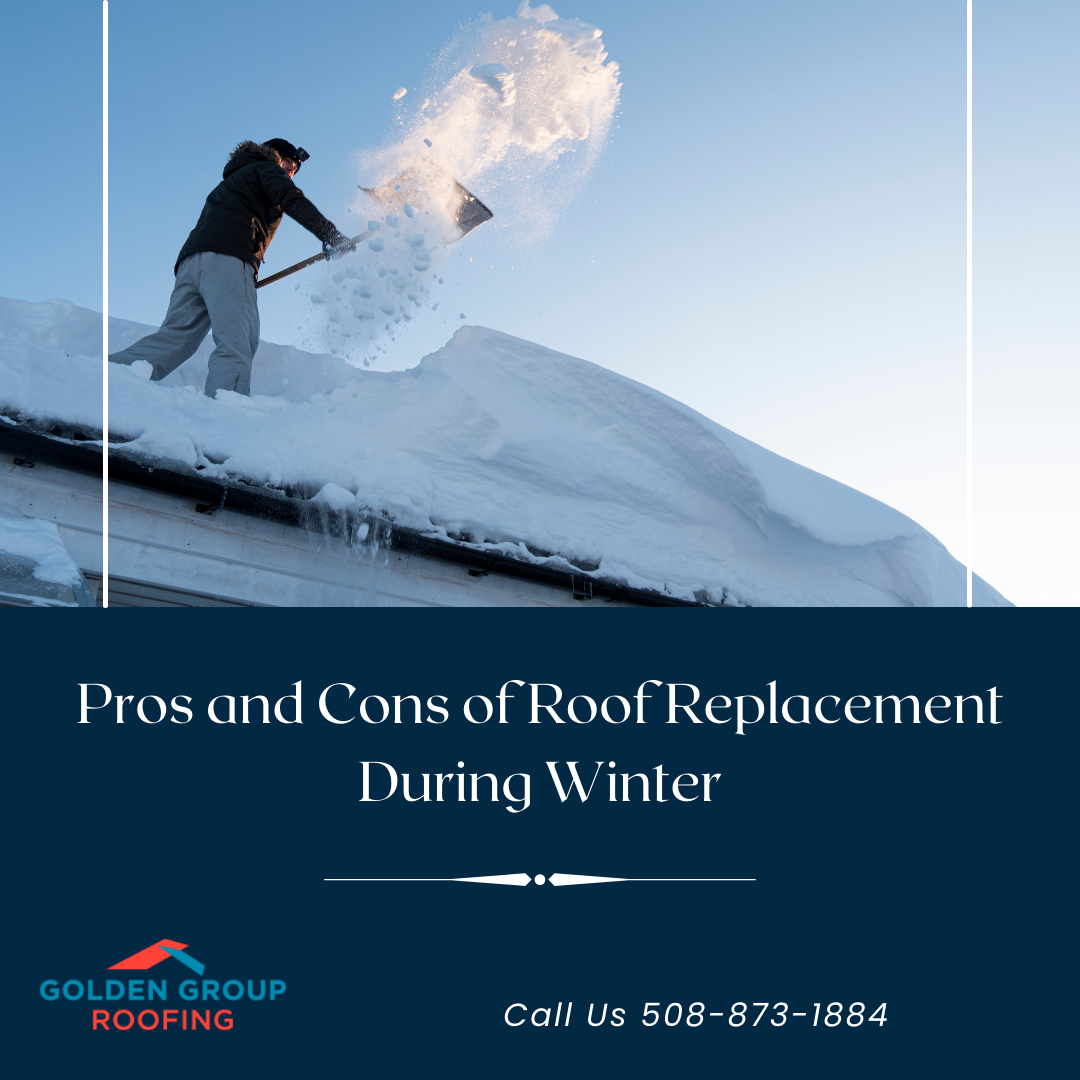
Pros of Roof Replacement During Winter
Although replacing your roof in the winter might not seem ideal at first, there are clear benefits that make it worth considering.
Lower Costs: The off-season for roofing contractors can mean big savings for homeowners. With reduced demand, roofing companies may offer discounts on labor, and even materials like shingles might be priced lower. For homeowners on a budget, this can be a chance to get the job done at a lower overall cost.
Easier Scheduling: Roofing contractors are often booked weeks or even months in advance during the summer and fall. Winter, on the other hand, tends to be a quieter time for the industry. This means you can schedule your project sooner and avoid the long wait times common during peak season. Contractors may also have more flexibility to work around your specific needs.
Preventing Further Damage: If your roof is already in rough shape, waiting until spring could cause more problems than it’s worth. A winter roof replacement can stop issues like leaks, ice dams, or structural damage from worsening. For example, a roof with missing shingles might let snow and ice seep in, leading to costly damage inside your home.
Advancements in Roofing Technology: Many of the challenges associated with winter roofing projects can now be mitigated thanks to modern tools and materials. For instance, cold-weather adhesives and synthetic underlayments are designed to work well even in lower temperatures, ensuring quality results.
Cons of Roof Replacement During Winter
Despite the potential benefits, winter roof replacement has its challenges. Homeowners should weigh these carefully before deciding.
Cold Weather Challenges: Materials like asphalt shingles can become brittle in cold weather, making them harder to handle and more prone to cracking during installation. Additionally, the adhesives used to seal shingles often rely on heat from the sun to activate properly. This process can take longer or might not happen in colder climates, potentially affecting the roof’s performance.
Safety Risks: Winter conditions, such as snow and ice, can make roofs slippery and dangerous for workers. Contractors may need extra precautions, such as clearing snow or using safety equipment, which can slow down the project. These risks can also increase labor costs in some cases.
Weather Delays: Snowstorms, freezing rain, or extreme cold may delay your project. Unlike spring or summer, when weather conditions are more predictable, winter projects often require more flexibility in scheduling.
Thermal Seal Issues: Shingles need warmth to properly seal and bond together, ensuring they stay secure against high winds or heavy snow. The seal may not form correctly without adequate heat, and the roof’s durability could be compromised. Homeowners in particularly cold regions should be aware of this risk.
Tips for Successful Roof Replacement During Winter
If you decide that winter is the right time for your roof replacement, there are a few steps you can take to ensure the project goes smoothly.
Hire Experienced Roofing Contractors: Winter roof replacement is not a job for amateurs. Look for contractors who are experienced working in cold weather. They’ll know how to handle brittle materials, apply cold-weather adhesives, and work safely in icy conditions. A skilled roofing team can make all the difference.
Choose the Right Materials: Some materials are better suited for winter installation than others. Metal roofing, for example, can be a great choice for colder climates, as it is not affected by temperature changes like asphalt shingles. Additionally, synthetic underlayment and adhesives designed for cold weather can help ensure a successful installation.
Pay Attention to the Weather: Try to schedule your project during a stretch of dry weather without snow or freezing rain. Work with your contractor to plan around the forecast, and stay flexible in case Mother Nature throws a curveball.
Inspect the Roof in Spring: Once the weather warms up, schedule a follow-up inspection to make sure the roof has settled properly. This is especially important for shingles, as the thermal sealing process may take longer in colder months.
When to Avoid Roof Replacement During Winter
While winter roof replacement is possible, there are certain situations where it might not be the best choice.
For instance, if temperatures are consistently below 20°F (-7°C), materials like shingles may have difficulty performing as intended. Adhesives may not bond properly, and shingles could crack during installation. Similarly, heavy snow or prolonged ice can make working conditions unsafe for contractors, delaying the project or increasing costs.
For homeowners who can’t afford potential delays or slightly higher labor costs, it might be better to wait until spring or summer, when conditions are more predictable.
Should You Replace Your Roof During Winter?
Winter roof replacement has pros and cons, and the right choice depends on your situation. If your roof is damaged or you’re dealing with a leak, waiting until warmer weather may not be an option. Replacing your roof now can save you from bigger, more expensive problems down the road. Plus, winter roof check offers advantages like lower costs and easier scheduling.
On the other hand, cold weather and unpredictable conditions can cause challenges, especially with materials that don’t perform well in freezing temperatures. If your roof is still functional and the damage isn’t severe, it may be worth waiting for spring.
The best way to decide is to consult with a trusted roofing contractor. They can assess your roof, discuss your options, and recommend the best action based on your home’s unique needs. A successful winter roof replacement is possible with the right planning and team.

Contact Information:
Golden Group Roofing
276 Turnpike Rd Suite 223
Westborough, MA 01581
United States
Greta Bajrami
(508) 873-1884
https://goldengrouproofing.com/


Original Source: https://goldengrouproofing.com/roof-replacement/determine-the-cost-of-a-roof-replacement-in-massachusetts/
